
Moving Without
The Guesswork
(Info)
Client
Handled
Category
Web Portal
/
Mobile App

Markets
Moves Booked
Agent Locations
Services Completed
Role
Product Design Lead
Focus
Service Platform / Trust & Inventory
Scope
iOS / Concierge / Enterprise
Outcome
Acquired by UniGroup
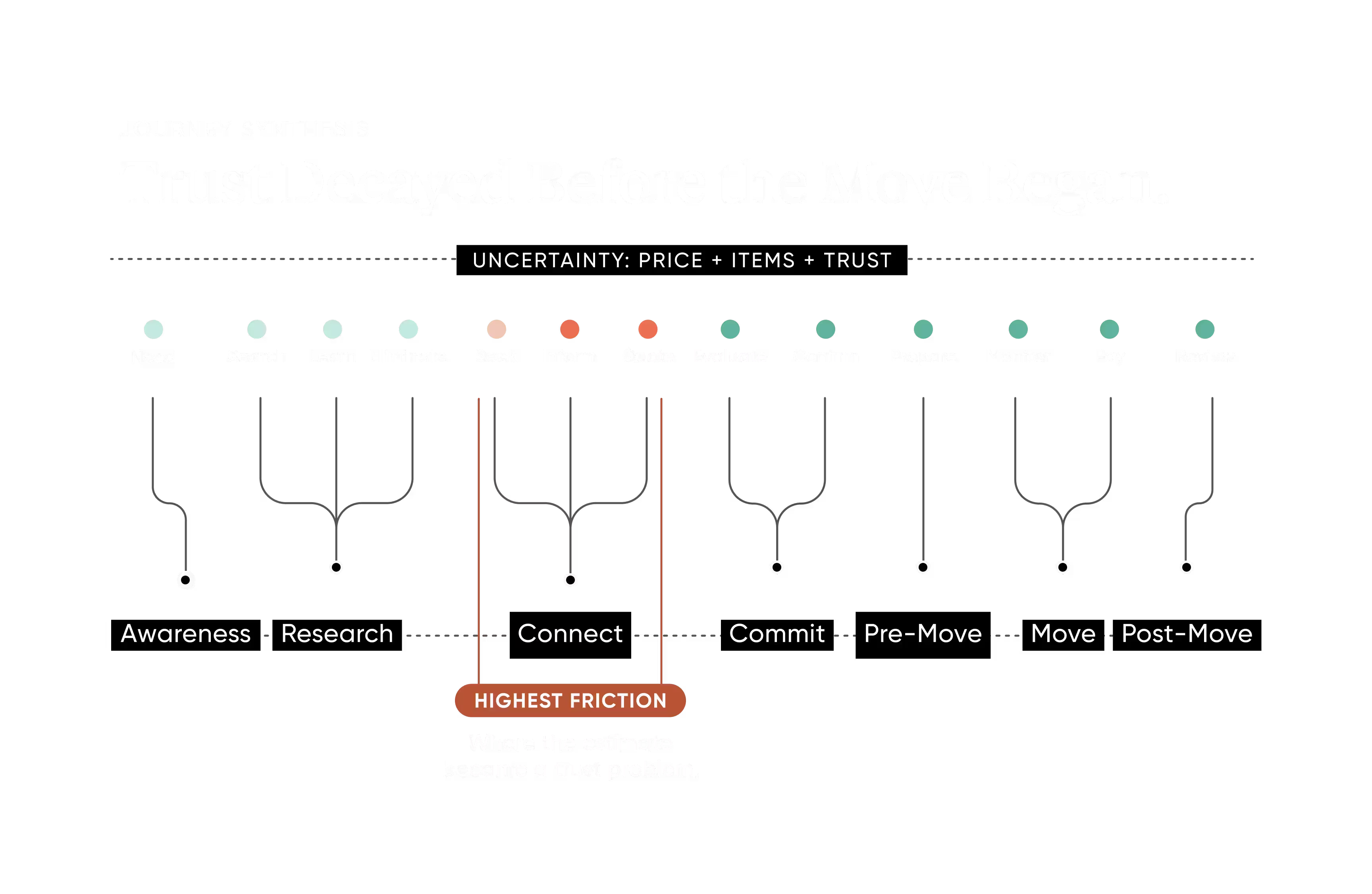
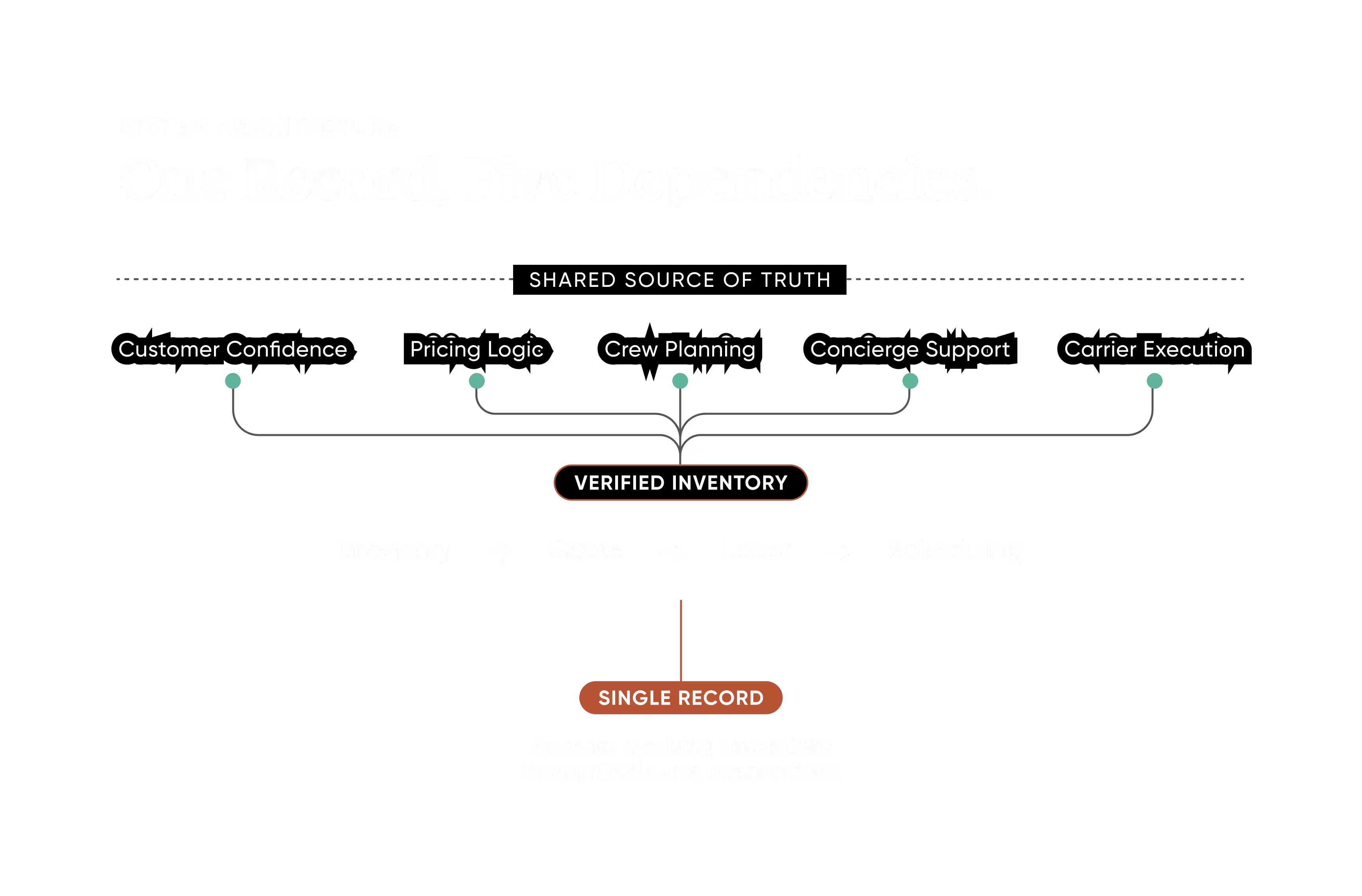
Mapping the full moving journey revealed that uncertainty followed customers from initial research through post-move review. The estimate was where that uncertainty became most visible, but the problem started earlier: customers and moving companies lacked a shared, inspectable record of what the move involved. Inventory became the foundation because it could replace assumptions with something both sides could see, verify, and carry forward.
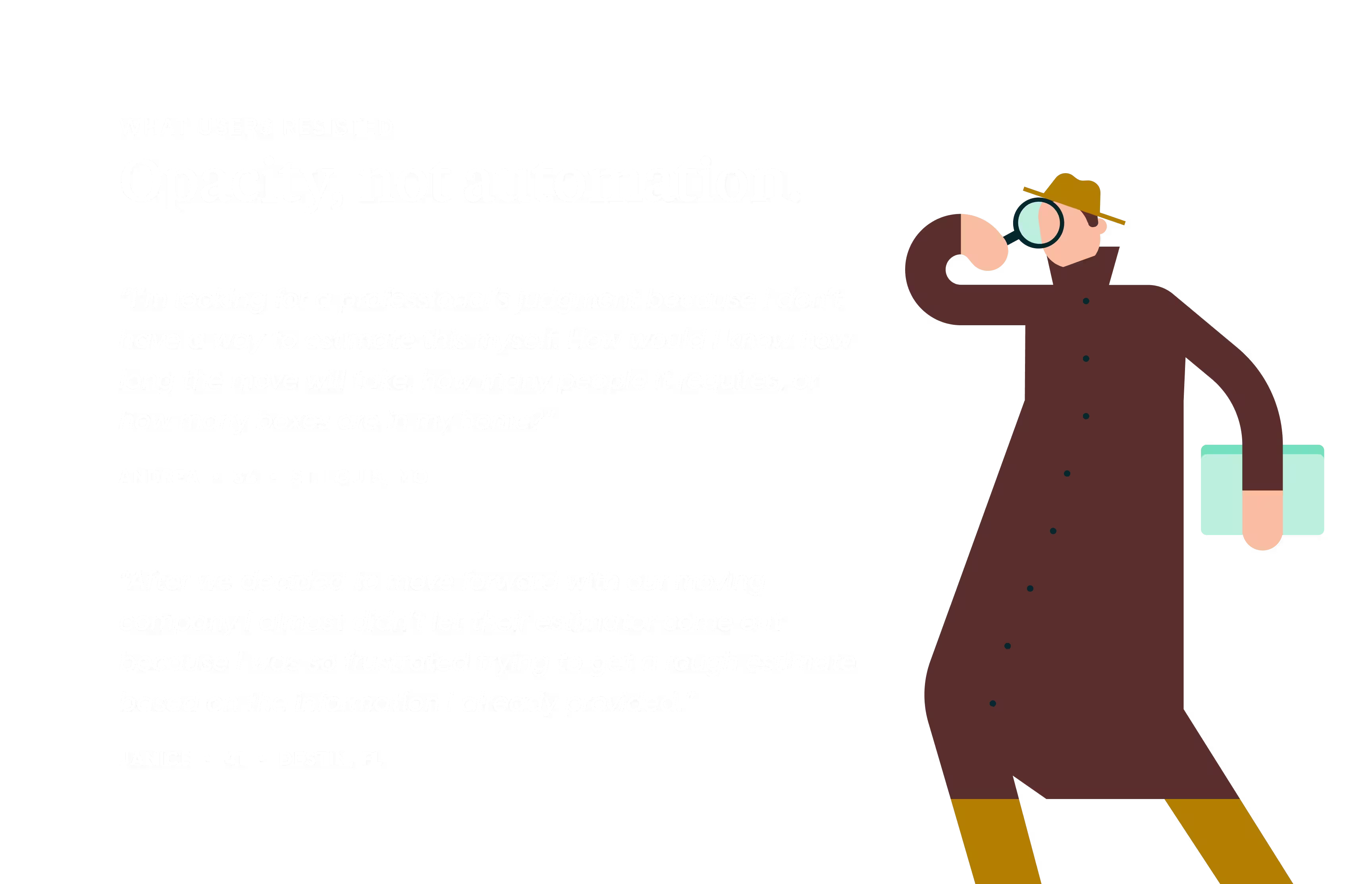
Ten 60-minute interviews with recent movers challenged the assumption that customers would resist technology inside their homes. They were not afraid of automation; they were tired of processes they could not inspect. That insight changed how we framed the product. “Computer vision” described the technology, but “automatic inventory” described the value. The experience needed to accelerate the work without asking customers to surrender control.
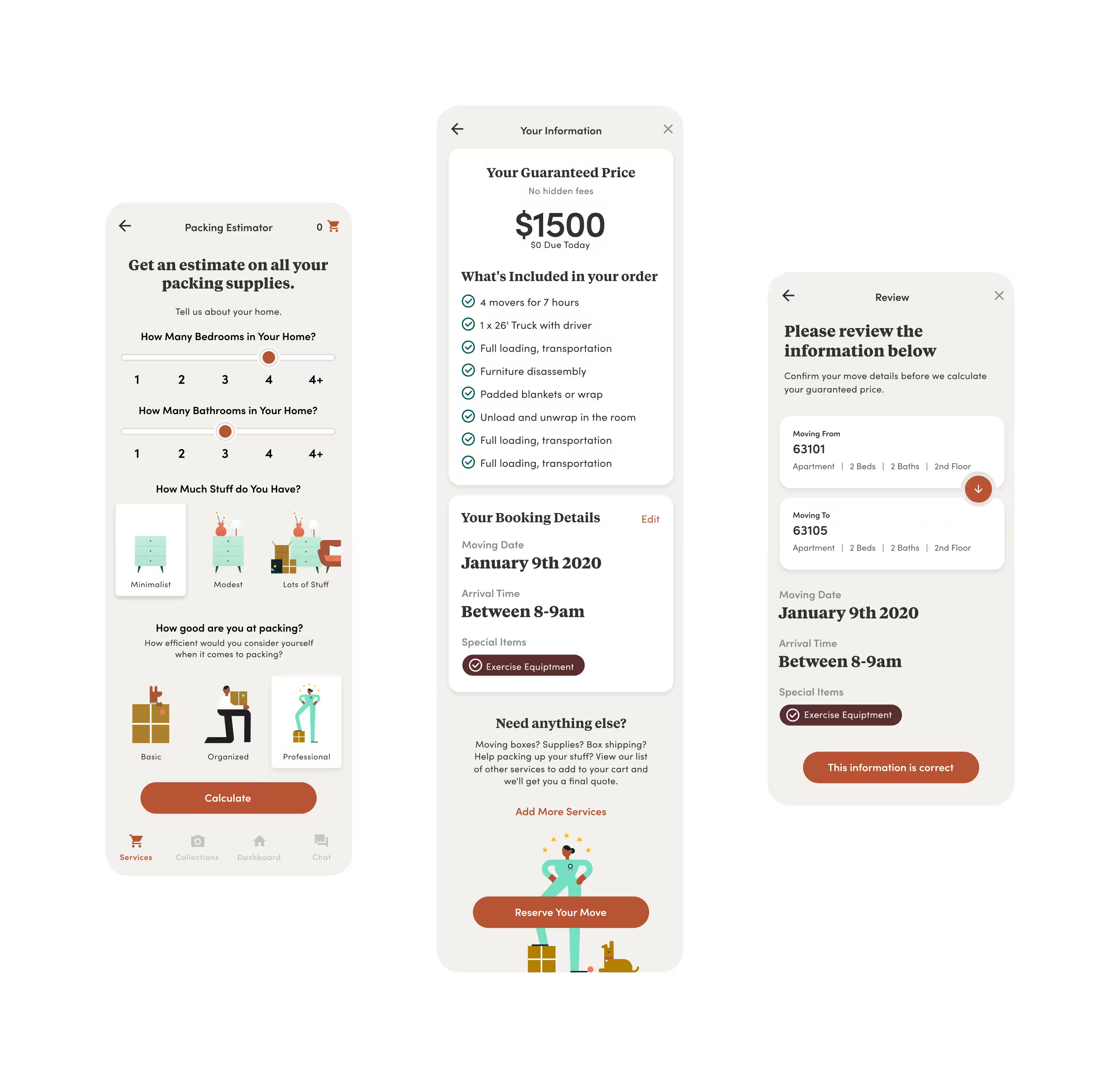
Research showed the sharpest loss of confidence at the quote, where a price often appeared before customers understood the assumptions behind it. Handled made those inputs visible before asking for a commitment—from home details and moving dates to special items and service requirements—then explained exactly what the guaranteed price included. The estimate became something customers could review and verify, not simply accept on authority.


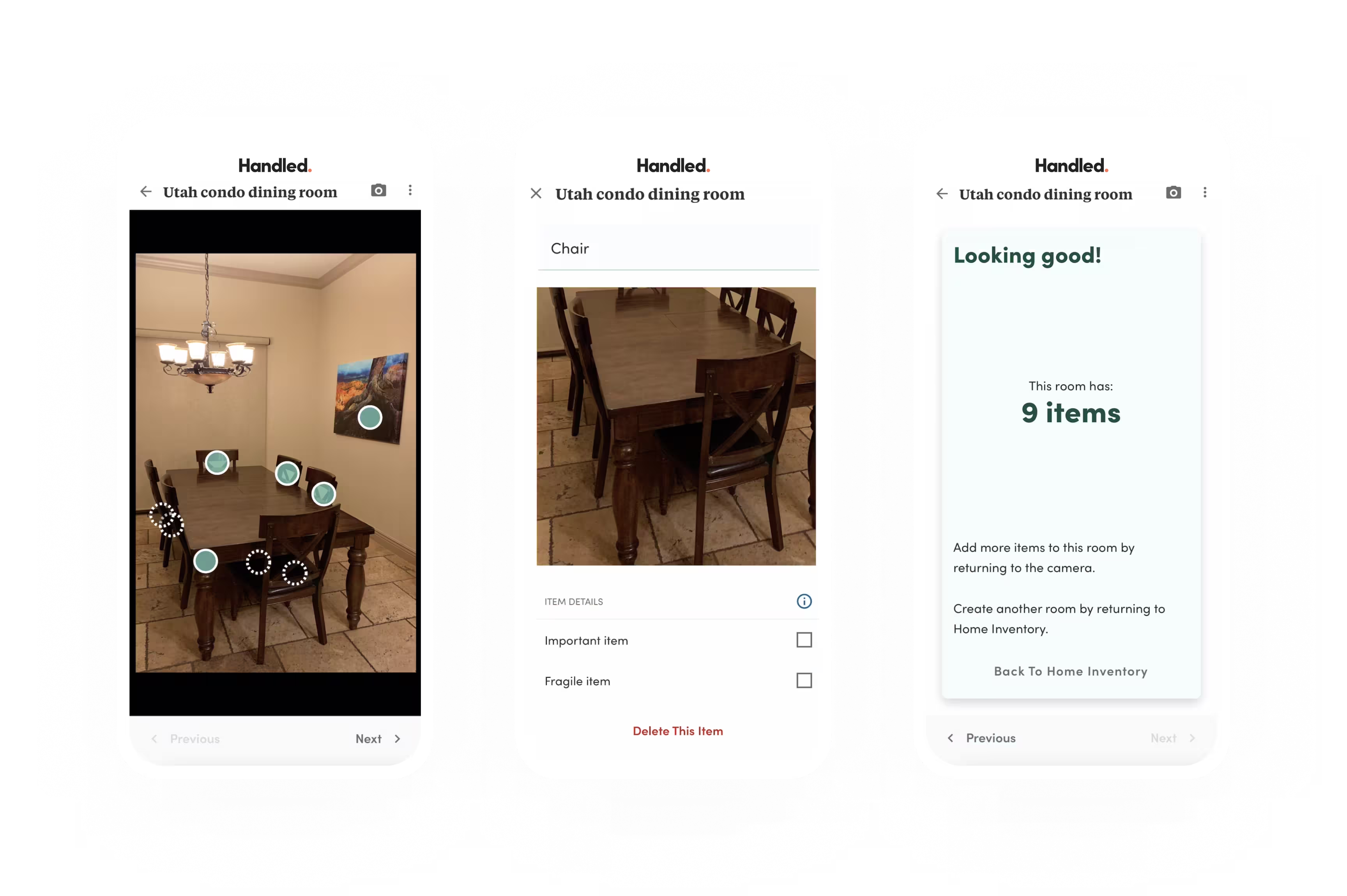
Pan & Scan used the phone camera to identify items and begin building a room-by-room inventory. The critical design work happened after capture: customers could review detections, correct names, add missing items, organize collections, and flag belongings that were fragile or important. Those controls were not fallback behavior for imperfect technology. They made customers active participants in the estimate and turned automation into a record they could trust.
The Bar Was Trust, Not Completion
Incorrect inventory could shift the quote, the crew size, the truck plan, and the customer’s expectation of moving day. Usability testing treated any interaction capable of producing incorrect move data as a critical error, not only one that blocked task completion. Testing focused on the moments where a wrong assumption could enter the record and travel downstream: capture guidance, detection feedback, correction flows, and confirmation. The standard was never whether someone could finish the flow. It was whether the finished record could be trusted.
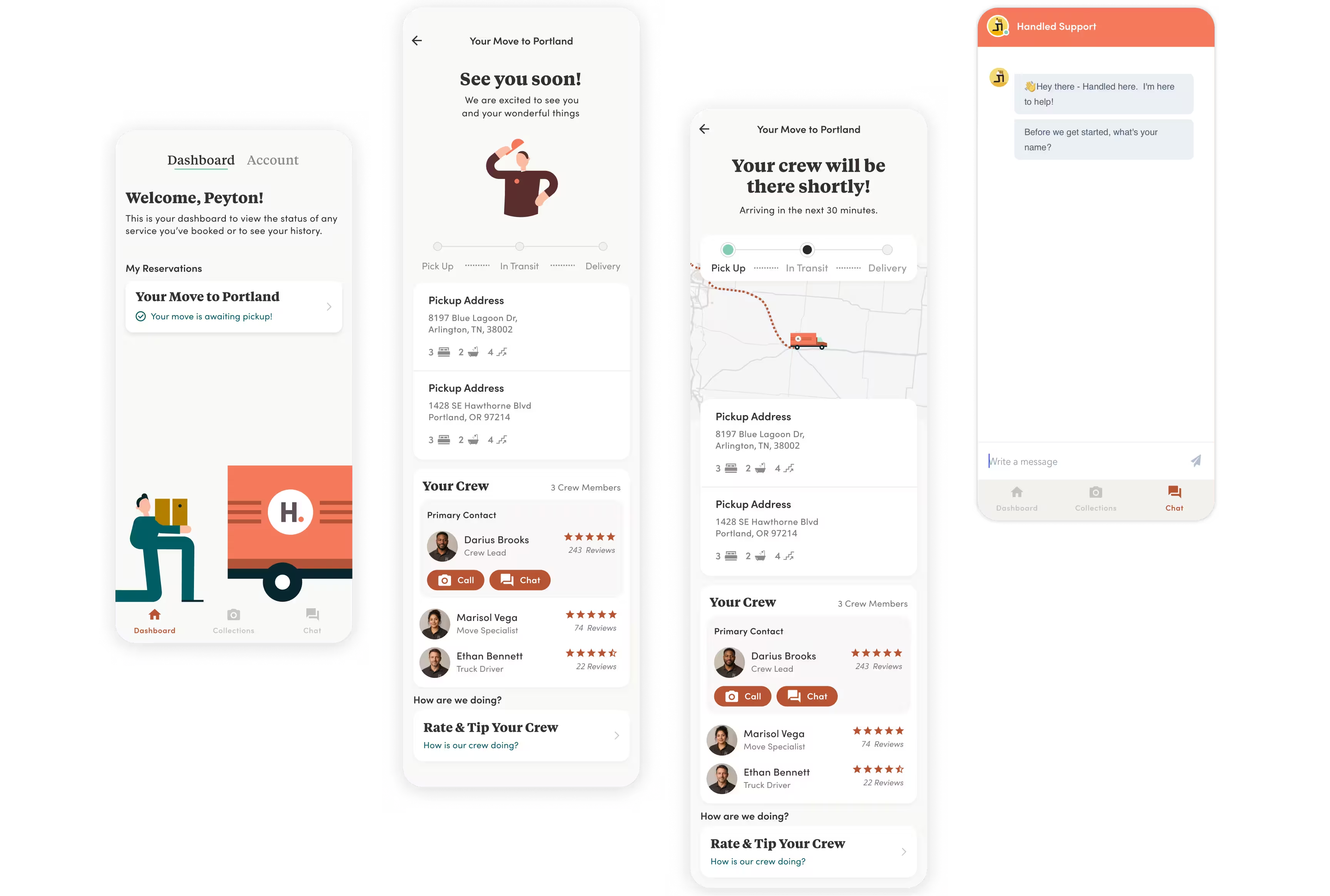
Every move passed through customers, sales agents, move coordinators, crew members, and drivers. My focus was the customer-facing product, but the experience had to make those handoffs feel coherent. Instead of exposing customers to the operation behind the move, the interface translated it into clear moments: what had been confirmed, what needed attention, who was arriving, and what would happen next.
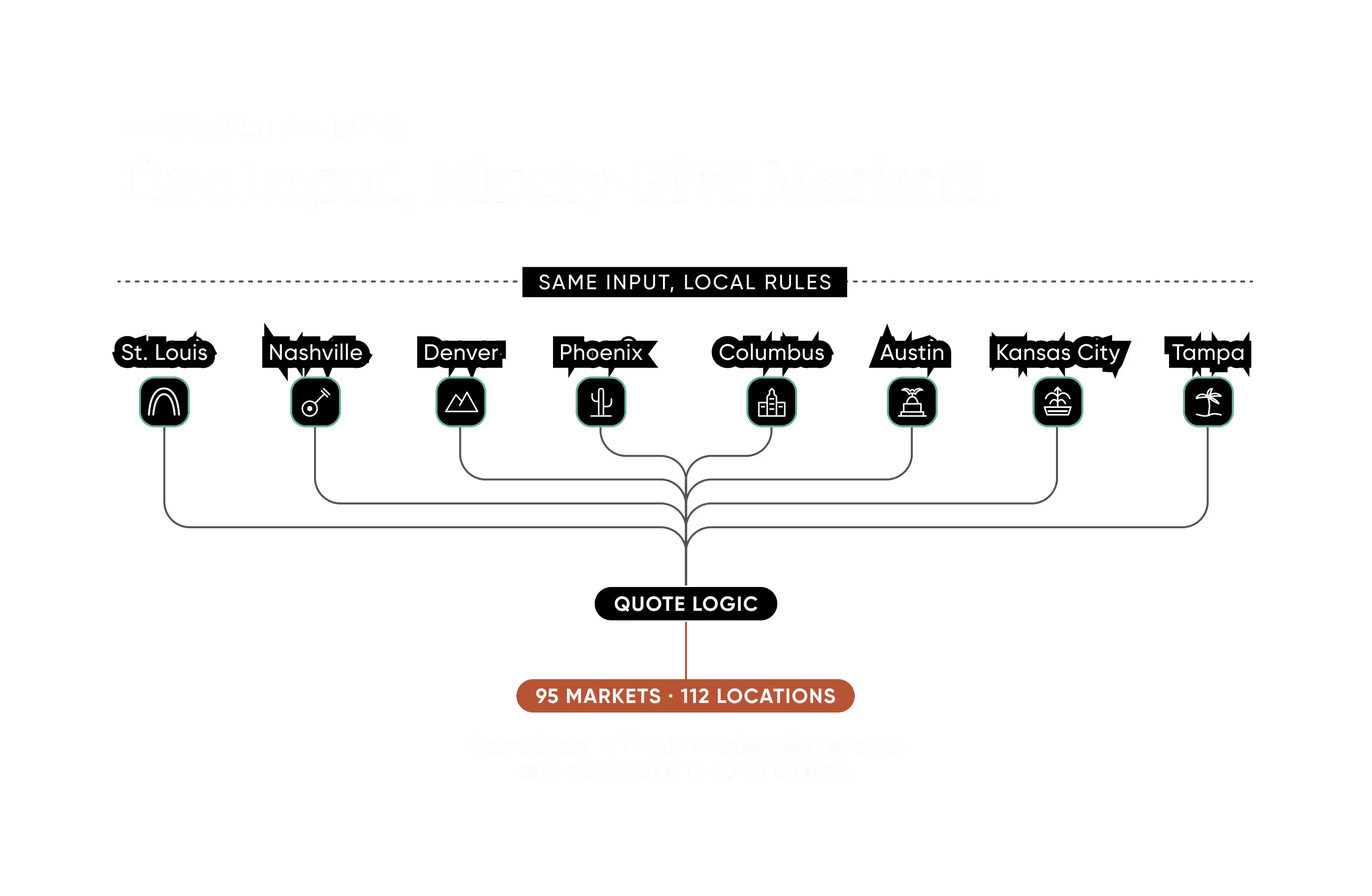
What began as a better inventory and estimate flow expanded into booking, scheduling, move preparation, packing guidance, supplies, crew information, move-day tracking, customer support, and post-move review. Complete user flows and a shared design system kept those services consistent as the product grew. The same information customers created at the beginning of the journey continued to support what they saw and did later.

Handled booked 1,776 moves, completed 1,843 services, supported 112 agent locations, and expanded across 95 markets before being acquired by UniGroup. The acquisition validated more than an inventory feature. Handled had created a coherent customer experience for a service traditionally shaped by fragmented conversations and hidden assumptions—from documenting a home and understanding an estimate to preparing for the move and following it through completion.
Automation does not earn trust by appearing intelligent. It earns trust when people can understand its output, correct it, and see how their input affects what happens next. Handled’s strongest idea was not computer vision by itself. It was using a transparent, editable inventory to give customers control—and building the rest of the moving journey around that record.

.svg)